A model generates; an operating layer coordinates
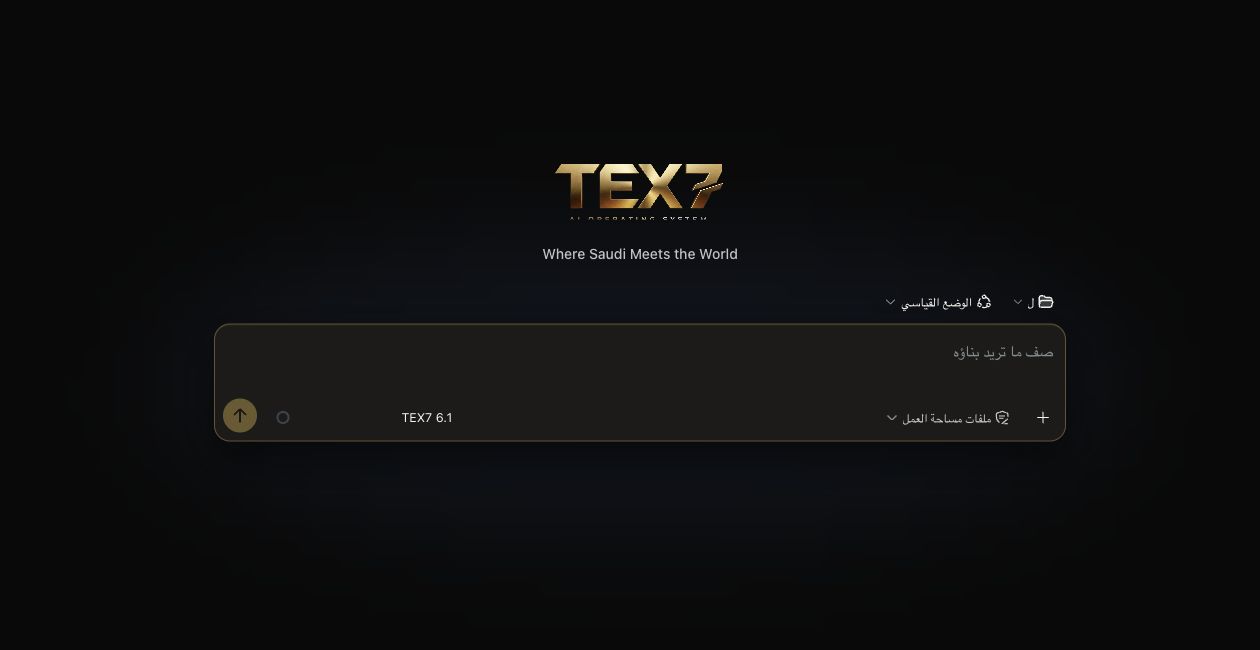
A model generates output from the input it receives. A harness is the surrounding operating layer: how task context is assembled, which capabilities are available, and how work is carried through execution. The term is not a single standard shared by every product; implementations differ.
Why context matters
Coding and creative projects reuse references, decisions, and files. Without context, each request can feel disconnected from previous work. TEX7 Harness focuses on connecting project, conversation, execution, and outputs while organizing context and memory. This describes the platform architecture, not unlimited retention or guaranteed recall of every detail.
Tools are distinct from the model
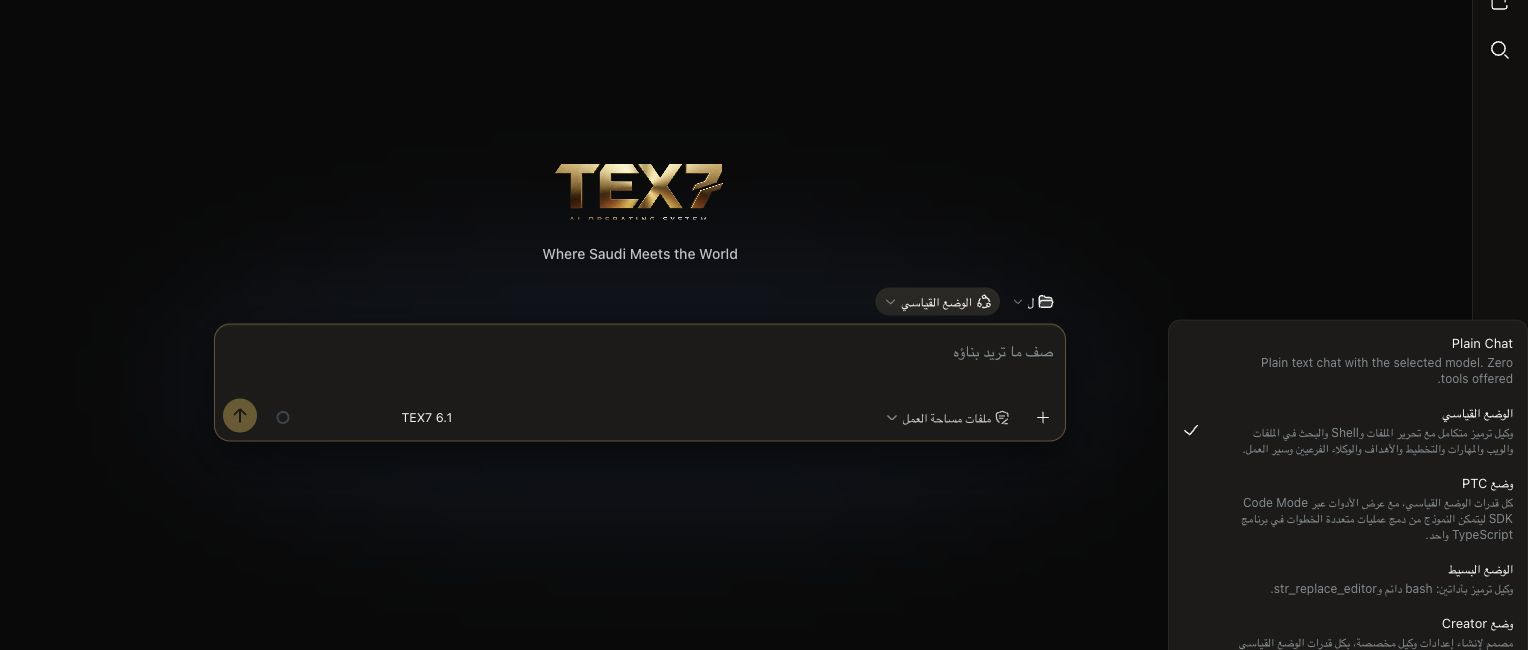
TEX7’s real interface distinguishes Plain Chat, described as text conversation without tools, from Standard mode, whose description includes file editing, Shell, search, skills, and planning. Agent execution depends on environment tools, access boundaries, and activation. Review the actual settings rather than inferring capability from a model name.
Permissions are part of the experience
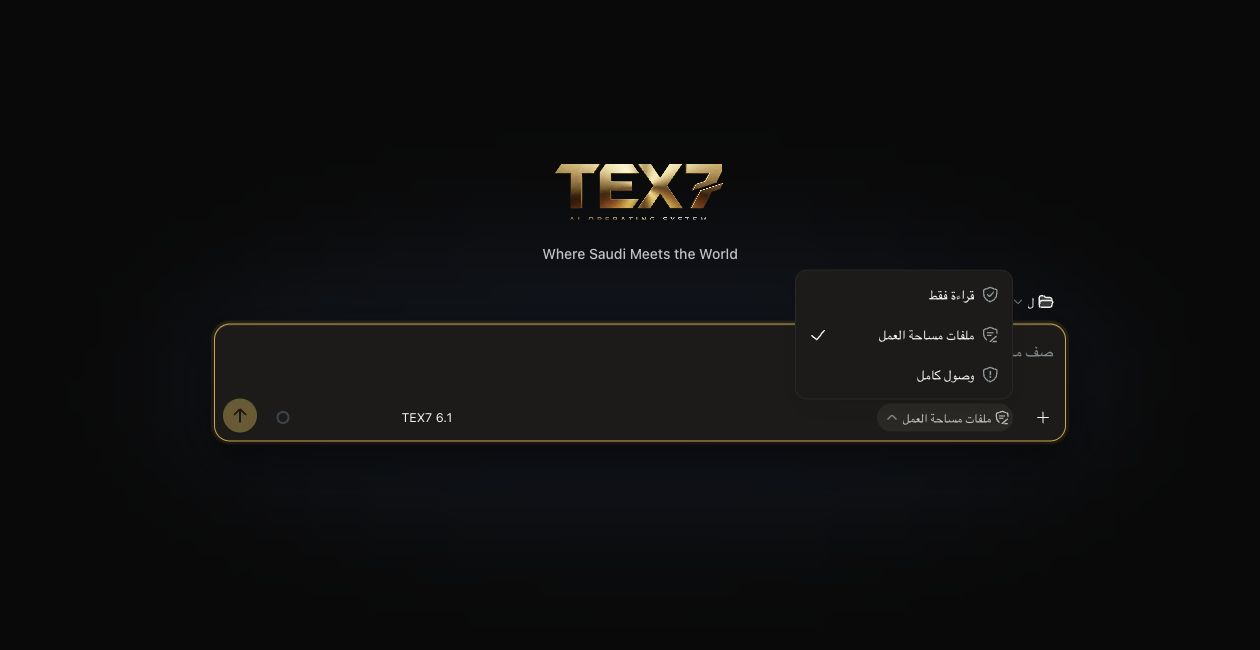
The interface includes read-only, workspace-file, and full-access choices. These make scope visible to the user. Broader access should follow a deliberate task and environment decision. This article does not represent an independent security audit or compliance certification. Enterprise governance requirements belong in the project assessment and agreement.
Reading the TEX7 architecture
The architecture visualization follows API → Domain → Kernel → Provider → Infrastructure. It explains layers of responsibility: the request interface, domain context, coordination kernel, capability provider, and deployment environment. It is an explanatory visualization, not a physical server diagram or a complete inventory of internal services.
What to check before use
Define the task, file boundary, tools, and output acceptance criteria. Start with work you can review and verify before production use. For enterprise requirements, discuss data, integration, operation, and support with the team. Harness screenshots were captured from the real beta environment on October 25, 2026; the interface may change during beta.